Completing a modelling course is an important milestone, but it is rarely the end of the learning process. As models gain experience, they quickly discover that confidence, versatility, and professionalism continue to develop through regular practice and ongoing industry exposure. This is why many aspiring models look for opportunities that support continuous growth rather than one-time learning.
Programs such as club modelle courses are designed around this idea, helping models continue refining their skills after completing their initial training. Whether your goal is to strengthen your portfolio, gain more experience, or build a long-term modelling career, consistent learning can help you stay prepared for new opportunities.
Why Learning Should Continue Beyond Your First Course
The modelling industry is constantly evolving. Different clients, photographers, and brands often require models to adapt their posing style, expressions, and communication depending on the project.
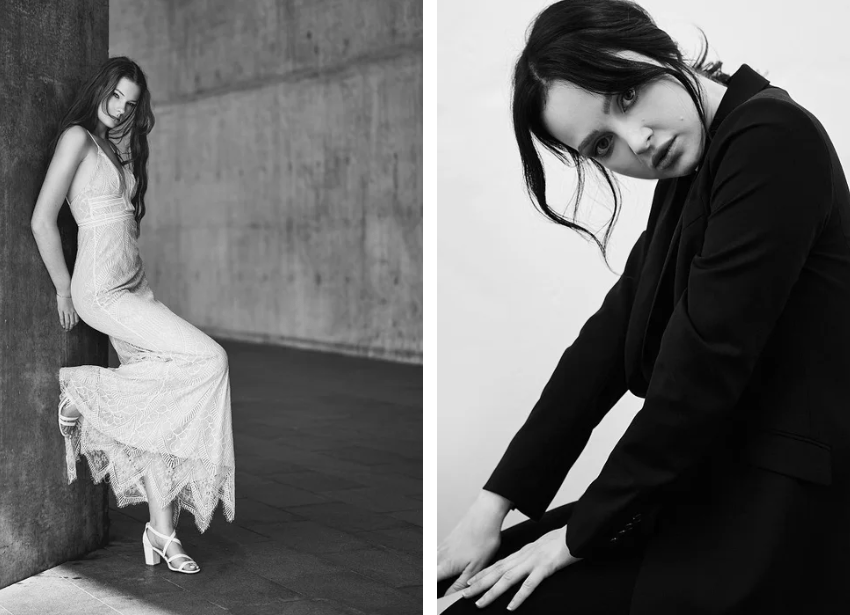
While an introductory course provides valuable fundamentals, ongoing development allows models to continue improving as their experience grows. Every photoshoot, workshop, or training session presents new opportunities to build confidence and develop practical skills.
Models who continue learning are often better prepared to:
- Adapt to different creative directions
- Work confidently with photographers and creative teams
- Refine their presentation and professionalism
- Respond more naturally during castings
Developing these abilities over time helps create a stronger foundation for long-term progress.
Skills That Improve Through Consistent Practice
Modelling is a practical profession, and many important skills improve through repetition rather than theory alone. Regular practice allows models to become more comfortable in different environments while gradually developing greater versatility.
Some of the key areas that benefit from ongoing training include:
- Camera confidence and natural movement
- Editorial and commercial posing techniques
- Facial expressions and emotional range
- Posture, balance, and body awareness
- Professional communication on set
As these skills become more natural, models can focus less on individual poses and more on responding to creative direction with confidence.
Why Industry Exposure Makes a Difference
Learning from different industry experiences can be just as valuable as formal training. Working with photographers, stylists, makeup artists, and other creative professionals exposes models to different working styles and expectations.
This variety encourages adaptability, which is an important quality in professional modelling.
Constructive feedback also plays an important role. Reviewing photographs, discussing posing techniques, and understanding how small adjustments affect the final image all contribute to ongoing improvement. These experiences help models recognise both their strengths and the areas they can continue developing.
Combining Structured Learning with Flexible Development
Every aspiring model learns differently. Some prefer in-person workshops, while others appreciate the flexibility offered by Online Short Courses, which allow them to revisit concepts and practise at their own pace.
As models become more experienced, some may also choose to enrol in an Advanced Modelling Course to strengthen specific skills such as editorial posing, runway techniques, or portfolio development.
For aspiring talent hoping to become a Model in Sydney, combining practical experience with continued education can provide a more balanced approach to long-term development. Structured learning offers guidance, while real-world experience helps reinforce those lessons over time.
Making the Most of Ongoing Training
Improvement comes from consistency rather than perfection. Models who continue investing time in developing their skills often gain greater confidence and adaptability as they progress.
Some practical ways to continue learning include:
- Practising posing regularly
- Updating your portfolio as your experience grows
- Seeking constructive feedback from industry professionals
- Exploring new photography styles and creative concepts
- Participating in workshops and guided training sessions
Small, consistent improvements can have a significant impact over time, helping models feel more prepared for a wider range of professional opportunities.
Staying Motivated Throughout Your Modelling Journey
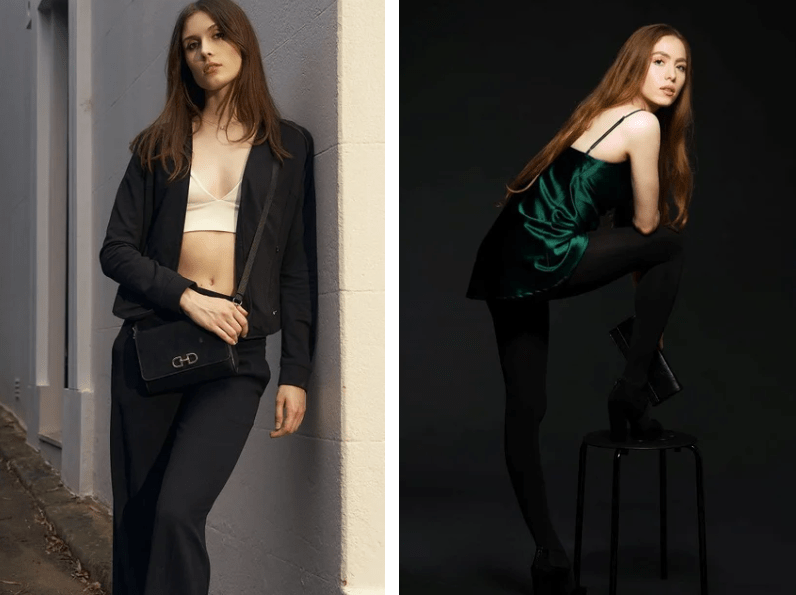
A single photoshoot or casting rarely measures progress in modelling. Building confidence, improving technique, and gaining industry experience all take time. Some opportunities may come quickly, while others require patience and ongoing development.
Maintaining a positive mindset and remaining open to learning can help aspiring models continue moving forward. Rather than focusing only on immediate results, viewing modelling as a journey of continuous improvement often leads to stronger long-term growth and greater confidence.
Final Thoughts
Building a successful modelling journey is not about completing one course and stopping there. Continuous learning, regular practice, and industry exposure all contribute to stronger skills and greater confidence as opportunities evolve.
At Modelle Academy, ongoing development remains an important part of the learning journey. Through Club Modelle Courses, aspiring models can continue refining their skills, gaining practical experience, and building the confidence needed to support long-term growth within the modelling industry.
Frequently Asked Questions
1. Why is ongoing training important after completing a modelling course?
Ongoing training helps models continue improving practical skills, adapt to changing industry expectations, and build greater confidence through regular practice and professional feedback.
2. Who are Club Modellè Courses designed for?
Club Modellè Courses are suited to aspiring models who have completed foundational training and want to continue developing their skills through ongoing learning and practical industry experiences.
3. Can Online Short Courses help experienced models as well?
Yes. Online Short Courses can be valuable for both beginners and experienced models by allowing them to revisit techniques, strengthen specific skills, and continue learning at their own pace.
4. How does an Advanced Modelling Course differ from beginner training?
An Advanced Modelling Course generally focuses on refining existing skills, such as editorial posing, runway techniques, and professional presentation, rather than introducing basic modelling concepts.
5. How does continuous learning support a long-term modelling career?
Continuous learning helps models stay adaptable, build confidence, refine their techniques, and remain better prepared for new opportunities as they progress throughout their modelling careers.
 Modellè Academy
Leave a comment