Fashion editorials require models to bring more than a strong appearance to the camera. They need to interpret creative direction, work with styling, communicate emotion, and adapt their presence to the story behind the shoot. As models move beyond the fundamentals, an advanced modelling course can help them develop the specialised skills needed to approach editorial work with greater confidence and versatility.
For aspiring models, building these abilities takes time and consistent practice. Whether you are developing your portfolio, exploring editorial opportunities, or working toward a long-term modelling career, understanding the skills involved can help you prepare more effectively.
Editorial Modelling Requires More Than Basic Posing
Editorial fashion photography is often built around a concept, mood, or visual story. The model is part of that story and needs to contribute through movement, expression, and body language.
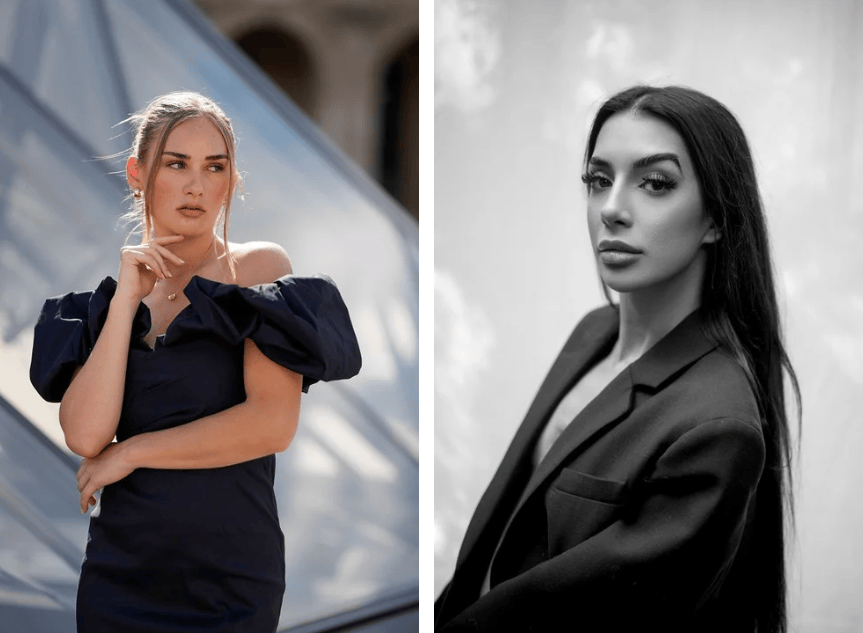
Unlike simply holding a pose for the camera, editorial work may require models to interpret different creative directions and adjust their approach throughout a shoot. A single session can involve several looks, moods, and styling concepts.
This makes versatility an important skill for models who want to explore fashion editorials.
1. Strong Camera Presence
A strong camera presence allows a model to communicate confidence and emotion without relying on exaggerated expressions. This is particularly important in editorial work, where the image often needs to convey a specific mood.
Models can develop their camera presence by practising:
- Different facial expressions
- Eye focus and direction
- Controlled body language
- Natural movement
- Subtle changes in mood
The goal is to make each image feel intentional rather than repetitive. With practice, models become more comfortable responding to the camera while maintaining the creative direction of the shoot.
2. Ability to Interpret Creative Direction
Editorial shoots often involve collaboration between models, photographers, stylists, makeup artists, and creative teams. Models need to understand direction quickly and translate it into their performance.
A photographer may ask for a specific mood, movement, or change in energy. Being able to respond without losing confidence is an important part of working professionally.
This requires models to:
- Listen carefully to instructions
- Ask questions when clarification is needed
- Adapt quickly between shots
- Stay focused throughout the session
Models who can interpret direction while adding their own presence are often better equipped to contribute to a creative shoot.
3. Versatility in Posing and Movement
Editorial modelling often involves more experimentation than standard portrait photography. Models may need to create unusual shapes, work with different angles, or use movement to add energy to an image.
Versatility can involve adapting:
- Posture
- Hand and arm positioning
- Body angles
- Walking and movement
- Interaction with clothing and surroundings
Developing a wide range of posing techniques helps models avoid repetitive images and respond more effectively to different concepts.
4. Understanding Fashion and Styling
Editorial modelling is closely connected to fashion. Models need to understand how their movements and presentation can complement the clothing, accessories, and overall styling.
A garment may have a structured silhouette that requires a particular posture, while flowing fabric may benefit from movement. The model’s role is to help bring these visual elements together without distracting from the overall concept.
Developing fashion awareness can help models become more intentional about how they present themselves in front of the camera.
5. Emotional Expression and Storytelling
A successful editorial image often communicates something beyond the clothing. It may create a feeling, suggest a narrative, or capture a particular atmosphere.
Models therefore need to develop emotional range and learn how to express different moods through subtle changes in their face and body language.
This might include:
- Confidence
- Mystery
- Strength
- Elegance
- Vulnerability
- Intensity
The most effective expressions are not always dramatic. Sometimes a small shift in eye focus or posture can communicate more than an exaggerated reaction.
6. Professionalism on Set
Technical modelling skills are important, but professional behaviour also matters. Editorial shoots can involve long hours, multiple outfit changes, and collaboration with several creative professionals.
Models should understand the importance of:
- Arriving prepared and on time
- Communicating respectfully
- Taking direction professionally
- Maintaining energy throughout the shoot
- Being adaptable when plans change
These habits can help models build positive working relationships and become more comfortable in professional environments.
7. Building an Editorial-Focused Portfolio
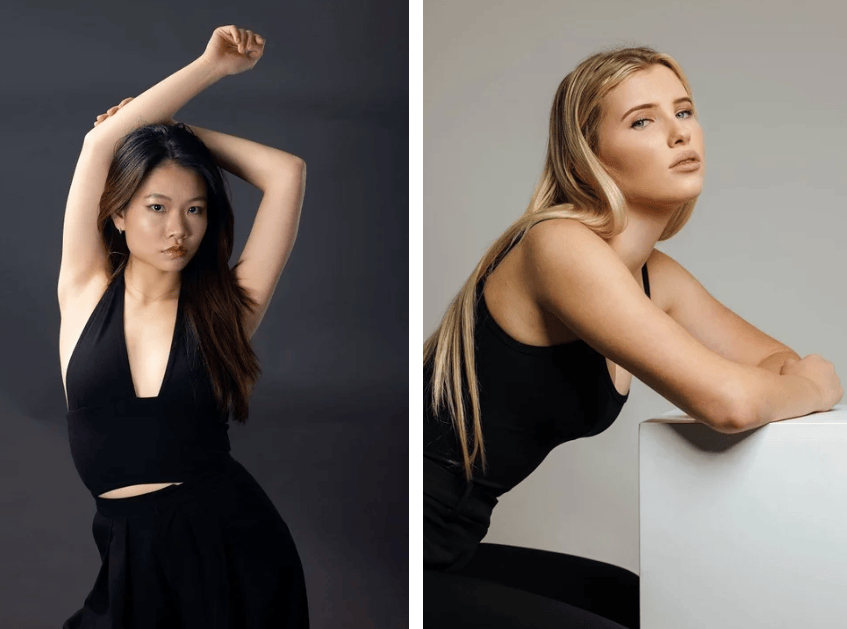
A strong portfolio helps communicate a model’s abilities before they step in front of a client or creative team. For aspiring editorial models, the portfolio should demonstrate versatility rather than simply presenting multiple versions of the same image.
An editorial-focused portfolio may showcase:
- Different moods and expressions
- Varied styling concepts
- Strong posing and movement
- Different photography approaches
- The ability to interpret creative direction
Models who have completed a modelling essentials course may already have a foundation in basic presentation and camera skills. From there, more specialised development can help them explore editorial work and strengthen their portfolio with greater purpose.
How Advanced Training Can Support Editorial Development
Editorial modelling involves a combination of technical ability, creativity, and professional awareness. Developing all of these areas independently can take time, particularly for models who are still learning how the industry operates.
An advanced modelling course can provide a structured environment for developing more specialised skills and refining existing techniques. This type of training can be particularly relevant for models who want to move beyond foundational learning and explore fashion-focused opportunities.
For aspiring talent hoping to become a model in Sydney, combining structured development with practical experience can help create a stronger foundation for future opportunities.
Continuing to Build Your Modelling Skills
Becoming confident in editorial modelling does not happen overnight. Skills develop through repetition, feedback, and exposure to different creative environments.
Some models may choose in-person training, while others explore online short courses to continue learning alongside practical experience. The most important factor is maintaining a willingness to improve and adapt.
As your experience grows, continue reviewing your portfolio, learning from each shoot, and identifying areas where you can develop further. This approach can help you build greater versatility and confidence over time.
Final Thoughts
Fashion editorial modelling brings together creativity, versatility, confidence, and professional discipline. Models who develop these skills can become better prepared to interpret creative direction, contribute to visual storytelling, and adapt to different fashion-focused opportunities.
At Modelle Academy, aspiring models can explore structured learning that helps bridge the gap between foundational modelling skills and the more specialised demands of editorial fashion, supporting their continued development as they work toward their modelling goals.
If you are looking to take your skills further, exploring advanced editorial training can be a useful next step toward developing your confidence and preparing for the opportunities ahead.
Frequently Asked Questions
1. What is the most important skill for editorial modelling?
Versatility is one of the most important skills because editorial models need to adapt their posing, expressions, movement, and energy to suit different creative concepts and fashion stories.
2. Do editorial models need experience before pursuing fashion editorials?
Not necessarily, but having foundational modelling skills can make the transition easier. Learning basic posing, camera awareness, and professional presentation through a Modelling Essentials Course can provide a useful starting point before developing more specialised editorial skills.
3. How can models improve their editorial modelling skills?
Models can improve by practising different posing techniques, studying fashion editorials, working with photographers, learning to interpret creative direction, and seeking constructive feedback on their performance and portfolio.
4. Can an Advance Modelling Course help with editorial modelling?
An Advance Modelling Course can help models refine their existing abilities and develop more specialised skills relevant to editorial fashion work, including creative expression, versatility, and professional presentation.
5. How does editorial experience support a Modelling Career?
Editorial experience can help models develop versatility, strengthen their portfolio, and become more comfortable working with creative teams. These experiences can contribute to broader professional development throughout a modelling career.
 Modellè Academy
Leave a comment