The spotlight, the runway, the creative energy of a photoshoot, and the dream of a career in modelling are powerful. But for many, that dream feels distant and confusing. You look at the covers of magazines or your favourite brand campaigns and wonder, “How do I even start? How do I get there from here?”
If you’re asking “how to become a model,” you’ve already taken the most critical step: seeking knowledge. Many believe modelling is purely about luck or “getting discovered,” but the reality is that professional modelling is a highly competitive industry. Like any other career, it requires specific skills, professional materials, business savvy, and a resilient mindset.
As experts at Modelle Academy, a premier Australian Modelling Academy, we’ve guided countless aspiring models on this exact journey. We’ve distilled the process into five essential, actionable steps. This is your comprehensive guide from zero to your very first gig.
Step 1: Understand the Industry and Find Your Niche
Before you spend a cent on photos or contact a single agency, you must do your research. The “modelling” industry isn’t one single thing; it’s a collection of diverse niches, each with different requirements. Understanding where you fit in is the key to a targeted, practical approach.
The Different Types of Modelling
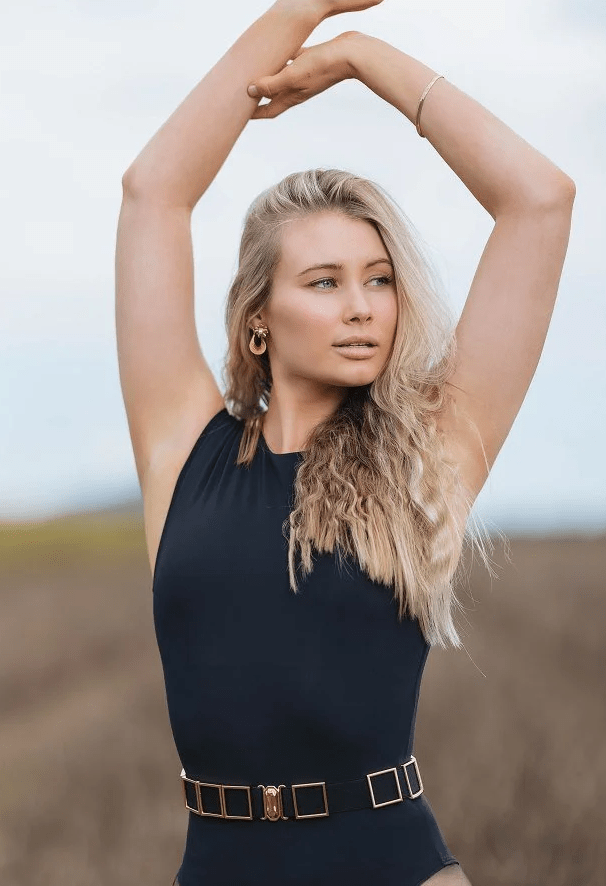
Your look, height, and even your personality are suited for specific types of work. Here are some of the main categories:
- Fashion (Editorial/Runway): This is what most people picture. Editorial modelling is for fashion magazines (like Vogue or Harper’s Bazaar), while runway models walk in fashion shows. This niche has the strictest physical requirements, typically for height (5’9″+ for women, 6’0″+ for men) and specific measurements.
- Commercial: This is the largest and most diverse category. Commercial models appear in print ads, social media campaigns, and TV commercials for everyday products, such as toothpaste, cars, homewares, or mobile phones. This niche celebrates a wide variety of “relatable” looks, ages, and body types.
- Fitness: Fitness models have an athletic, toned physique. They typically work for sportswear brands (like Nike or Lululemon), fitness magazines, and supplement companies.
- Parts: Do you have perfect hands, flawless feet, or a stunning smile? Parts models specialise in modelling specific body parts for jewellery, shoes, or dental product ads.
- Influencer/Social Media: A newer but powerful niche. This involves creating content for brands on your own social media platforms. It relies heavily on your personal brand, photography skills, and ability to build an engaged audience.
Why Your Niche Matters
Trying to be “everything” is a recipe for frustration. By identifying a niche, you can focus your efforts. A 5’7″ model with a bright, commercial smile shouldn’t be spending all her energy trying to book runway shows. She should target commercial agencies and build a portfolio that showcases her radiant, relatable look.
Step 2: Build Your Foundational Skills with Professional Training
This is the step most aspiring models skip, and it’s the one that makes the most significant difference. You wouldn’t try to become a professional actor without taking acting classes, would you? The same applies to modelling.
It’s not just about “being photogenic.” Professional modelling is a craft. You need to learn:
- Posing and Movement: How to move your body, understand angles, and express emotion for the camera, without waiting for a photographer to direct every tiny movement.
- The Runway Walk: There is a specific, powerful technique to walking a runway that must be learned.
- Industry Knowledge: How to read a casting brief, what “TFP” (Time for Print) means, who’s who in the industry, and how to behave professionally on set.
- The Business Side: How agency contracts work, how to manage your finances, and, crucially, how to spot and avoid scams.
Finding the Right “Modelling Academy”
It’s tempting to search for “modelling classes near me” and just pick the closest, cheapest option. But in the digital age, the quality and comprehensiveness of the training matter far more than proximity.
A genuinely professional Modelling Academy will offer structured programs taught by industry veterans. This is where Online Short Courses have become a game-changer. They allow you to learn from the best, no matter where you live, and study at your own pace.
At Modelle Academy, our Modelling Essentials Course is designed to be that comprehensive foundation. It covers everything from posing and runway to skincare, nutrition, and the business of modelling. This kind of training is an investment that signals to agencies that you are serious, professional, and ready to work.
Ready to build your foundation? Explore our full range of Online Short Courses at Modelle Academy.
Step 3: Get Your Professional Materials (The Model’s Toolkit)
Once you have the skills, you need the tools to market yourself. An agency can’t sign you based on your Instagram selfies. You need two key assets: digitals and a portfolio.
Digitals (Your Most Honest Tool)
Before you even think about a professional portfolio, you need digitals (also called Polaroids). These are simple, un-retouched photos that show an agency what you really look like. They are the industry standard.
How to take your own digital:
- Location: Stand against a plain, well-lit wall (white or grey is best).
- Lighting: Use natural light from a window. Avoid harsh overhead lights or direct sun.
- What to Wear: A plain black bikini or form-fitting, simple clothing (e.g., black skinny jeans and a tank top).
- Makeup/Hair: None. A clean, fresh face and natural hair.
- The Shots: You need a few standard shots:
- Full-length (front, back, both sides)
- Waist-up (front, both sides)
- Close-up (front, both sides, smiling and neutral)
These photos aren’t meant to be “pretty.” They are intended to be clear.
Your First Professional Portfolio (The “Book”)
Your portfolio, or “book,” is your professional resume. It showcases your potential, your range, and your skill as a model.
Crucial advice: Do not spend thousands of dollars on your first portfolio. Agencies prefer to see raw talent they can help develop.
Start by collaborating with aspiring photographers on a “Time for Print” (TFP) basis. This means no one gets paid; you get photos for your book, and the photographer receives photos for theirs.
Your goal is to get 3-4 high-quality, varied “stories” or looks. For example:
- A clean, commercial beauty shot.
- A full-length fashion or editorial look.
- A “lifestyle” or commercial look (e.g., laughing in a cafe, a fitness look).
This shows agencies you have range. Your training from a course like the Modelling Essentials Course will be invaluable here, as you’ll know how to pose, communicate with the photographer, and help create a great shot, not just show up for it.
Step 4: Find and Approach Reputable Agencies
With your skills and your materials, you are now ready to seek representation. An agency acts as your agent, finding you jobs (castings), negotiating your pay, and managing your career.
How to Find the Right Agency
Don’t blast your photos to every agency in the country. Be strategic.
- Research: Look at the “development” or “new faces” boards on agency websites. Do they represent models who look like you and fit your niche?
- Reputation: Are they a well-known, reputable Australian Academy of Modelling or agency? Look for interviews with their models or press mentions.
- Follow Submission Rules: Every agency has a specific “Become a Model” or “Submissions” page on its website. Follow their instructions exactly. Most will have an online form where you will upload your digitals (not your portfolio) and your stats (height, bust, waist, hips).
Red Flags: How to Spot a Scam
A legitimate agency makes money by taking a commission (usually 20%) from the jobs they book for you. They do not make money by charging you fees.
Run away if you hear:
- “We’d love to sign you, but first, you need to pay us $1,000 for a portfolio shoot.” (A real agency will either use your TFP shots or arrange a shoot and deduct the cost from your future earnings.)
- “There’s a large, non-refundable ‘sign-up’ or ‘administration’ fee.”
- “We guarantee we can make you a star.” (No one can guarantee this.)
Step 5: The Hustle: Castings, Rejection, and Your First Gig
Getting signed is a huge milestone, but the work is just beginning. Now, you enter the world of castings.
What is a Casting (or “Go-See”)?
A casting is a model’s job interview. Your agency will send you a brief, and you’ll go to a studio (or send a “self-tape” video) to be seen by the client (e.g., the brand’s creative director). You might have your photo taken, be asked to walk, or try on a garment.
Handling Rejection (It’s 99% of the Job)
You will be rejected far more than you are booked. This is not personal. You might be “too tall” for the other model, “too blonde” for the brand’s aesthetic, or they simply “went in another direction.”
Resilience is the most essential trait a model can have. The ability to hear “no,” thank them politely, and move on to the next casting without losing confidence is the secret to a long career.
Landing Your First Gig
When you do get that “yes,” your professionalism is paramount.
- Be On Time: “On time” in modelling means 15 minutes early.
- Be Prepared: Bring everything your agency told you to (e.g., “nude underwear, black heels”).
- Be Positive and Professional: Be polite to everyone on set, from the client to the assistants. Be easy to work with.
Your first gig may not be a Vogue cover. It might be a small e-commerce shoot for a local brand. Treat it with the same level of professionalism. Clients re-book models who are reliable, skilled, and a pleasure to have on set. That is how you build a reputation and a career.
Your Modelling Career Starts With a Single Step
The journey to becoming a model is a marathon, not a sprint. It’s a path that replaces luck with skill, replaces “getting discovered” with professional strategy, and replaces “being pretty” with a deep understanding of a complex industry.
These five steps:
Research, Training, Materials, Submissions, and Hustle
These are your blueprints. The most important one, and the one you can control right now, is your education.
Ready to take that first, foundational step? Explore our Modelling Essentials Course and other Online Short Courses to begin your journey with expert guidance from a leading Australian Modelling Academy. Your career starts here.
 Modellè Academy
Leave a comment